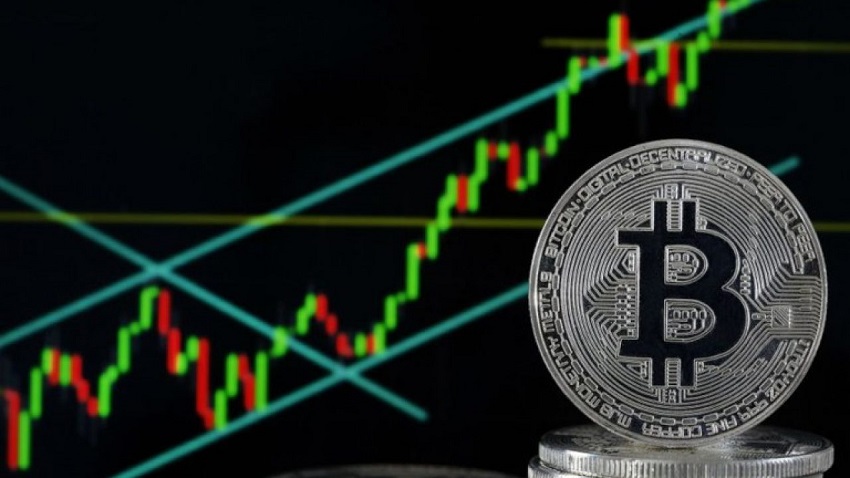
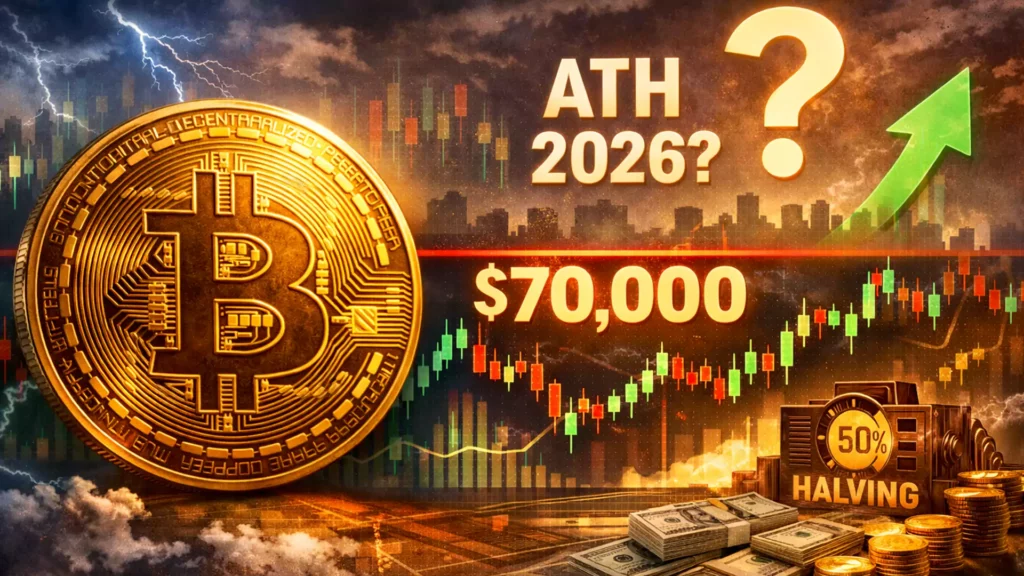
Bitcoin has once again found itself trapped below the psychological $70,000 level. After multiple attempts to reclaim bullish momentum, the world’s largest cryptocurrency seems to be consolidating rather than exploding upward. For investors and traders alike, the big question remains: Will Bitcoin break its all-time high (ATH) in 2026?
Let’s dive into the factors that could shape Bitcoin’s journey over the next year.
Current Market Situation
Bitcoin has shown resilience despite macroeconomic uncertainty, regulatory pressures, and fluctuating global liquidity. However, the $70K level has become a strong resistance zone.
Historically, Bitcoin moves in cycles driven by:
- Halving events
- Liquidity expansion
- Institutional adoption
- Retail FOMO
After the most recent halving cycle, many analysts expected a breakout phase. Instead, Bitcoin has entered a prolonged consolidation range.
But consolidation often precedes expansion.
The Historical Pattern: Why 2026 Could Be Important
Bitcoin tends to follow a 4-year cycle pattern tied to its halving events. The previous major bull runs occurred after:
- 2016 Halving → 2017 Bull Run
- 2020 Halving → 2021 Bull Run
If this rhythm continues, the post-halving momentum may extend into 2026 rather than peaking immediately.
Bitcoin’s previous all-time high was set in 2021 when it crossed $69,000. Breaking above that level decisively would signal a new macro uptrend.
Key Catalysts That Could Push Bitcoin to a New ATH
1. Institutional Adoption
Spot Bitcoin ETFs have changed the game. Large institutions now have easier access to Bitcoin exposure. If inflows remain strong in 2026, supply shock dynamics could intensify.
Major financial firms integrating Bitcoin into retirement portfolios could drive steady demand.
2. Global Liquidity Expansion
Bitcoin historically performs well when central banks loosen monetary policy. If interest rates decline and liquidity increases globally in 2026, risk assets—including crypto—could benefit significantly.
3. Regulatory Clarity
Clearer regulations in major economies like the United States and Europe would reduce uncertainty. Once regulatory frameworks stabilize, institutional capital that is currently on the sidelines may enter aggressively.
4. Supply Shock Dynamics
With each halving, the new Bitcoin supply reduces by 50%. As miners receive fewer rewards, new BTC entering circulation drops sharply.
If demand remains stable or grows while supply tightens, basic economics favors higher prices.
Risks That Could Delay an ATH Breakout
While optimism exists, risks remain:
- Prolonged global recession
- Aggressive monetary tightening
- Major exchange collapse
- Unexpected regulatory crackdowns
Bitcoin remains a high-volatility asset. Macro headwinds could delay the breakout beyond 2026.
Technical Outlook for 2026
From a technical perspective, Bitcoin needs to:
- Reclaim and hold above $70K
- Break strong resistance near previous highs
- Establish higher highs and higher lows on the weekly chart
A decisive move above its previous ATH would likely trigger:
- Short squeeze
- Retail FOMO
- Momentum trading algorithms
Historically, once Bitcoin breaks its ATH, price discovery phases can be explosive.
The Psychological Barrier of $70K
Round numbers often act as emotional resistance levels. The market tends to test such zones multiple times before breaking them.
If Bitcoin builds strong support above $70K, the narrative quickly shifts from “struggling asset” to “new cycle breakout.”
So, Will Bitcoin Break Its ATH in 2026?
Based on historical cycles, supply reduction, ETF adoption, and potential monetary easing, the probability of Bitcoin breaking its ATH in 2026 appears strong—provided macro conditions align.
However, timing in crypto markets is notoriously difficult. Bitcoin could:
- Break ATH early in 2026
- Delay the breakout into 2027
- Experience another deep correction before rising
Long-term fundamentals remain intact, but short-term volatility is inevitable.
Final Thoughts
Bitcoin being stuck below $70K is not necessarily a bearish signal. Markets often consolidate before major moves. If historical patterns repeat and liquidity conditions improve, 2026 could become a defining year for the next Bitcoin supercycle.
For investors, patience, risk management, and disciplined strategy matter more than short-term price frustration.
As always in crypto—expect volatility, but never ignore the cycle.

I am Pawan Kashyap currently living in Amritsar. I always try to grab new things from the cryptocurrency market. From my observations and trends in the market, I always try to provide the best and accurate information in the form of articles from this blog. Follow us on Facebook, Instagram, and Twitter to join us.