Bitcoin has transformed from an unknown digital experiment into one of the most valuable financial assets in the world. What started as a decentralized currency idea during the global financial crisis has now become a global investment phenomenon. Governments, corporations, financial institutions, and millions of investors are paying close attention to Bitcoin’s growth and future potential.
In this blog post, we will explore the entire journey of Bitcoin — from its origin and early struggles to mainstream adoption, institutional investments, and future opportunities for investors.
What is Bitcoin?
Bitcoin is a decentralized digital currency that allows people to send and receive money without relying on banks or governments. It operates on a technology called blockchain, which records all transactions transparently and securely.
Unlike traditional currencies, Bitcoin has a limited supply of only 21 million coins, making it scarce and often compared to digital gold.
The Birth of Bitcoin (2008–2009)
The idea of Bitcoin was introduced in 2008 by an anonymous person or group using the name Satoshi Nakamoto.
During the global financial crisis of 2008, trust in banks and financial institutions was collapsing. Satoshi released a whitepaper titled:
“Bitcoin: A Peer-to-Peer Electronic Cash System”
The whitepaper proposed a decentralized financial system where transactions could happen directly between users without intermediaries.
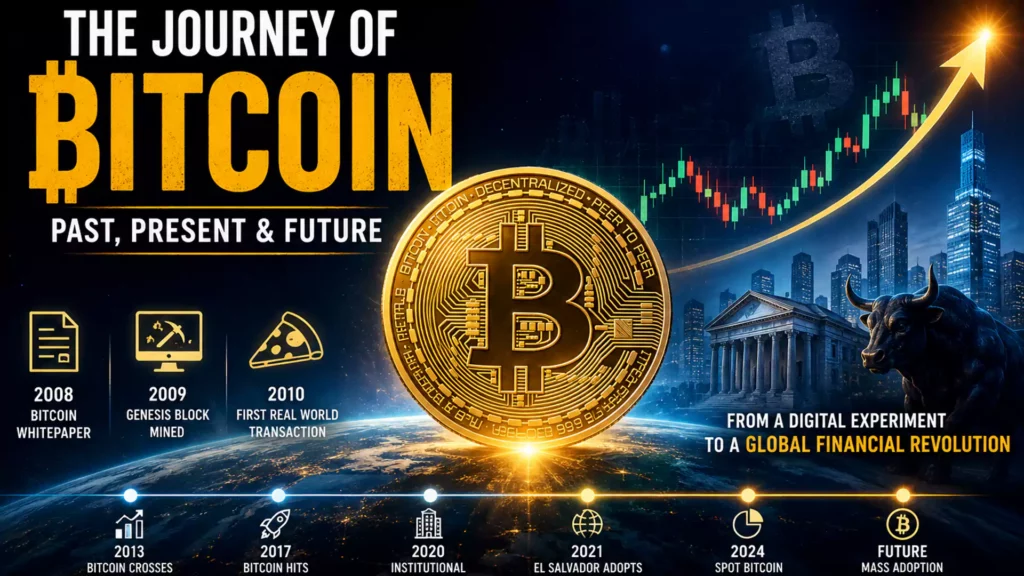
On January 3, 2009, the first Bitcoin block called the Genesis Block was mined, officially launching the Bitcoin network.
Inside the Genesis Block, Satoshi included a message:
“The Times 03/Jan/2009 Chancellor on brink of second bailout for banks.”
This message reflected Bitcoin’s purpose — creating an alternative to traditional banking systems.
Early Bitcoin Days (2009–2012)
In the early years, Bitcoin had almost no financial value. It was mainly used by programmers, cryptography enthusiasts, and technology communities.
First Bitcoin Transaction
One of the most famous moments in Bitcoin history happened in 2010 when programmer Laszlo Hanyecz bought two pizzas for 10,000 Bitcoins.
Today, this transaction is remembered as Bitcoin Pizza Day.
At that time, nobody imagined those Bitcoins would later be worth hundreds of millions of dollars.
Bitcoin Gains Attention (2013–2016)
As awareness grew, Bitcoin slowly entered mainstream discussions.
Major Developments During This Period
- Cryptocurrency exchanges started operating globally.
- More merchants began accepting Bitcoin payments.
- Media coverage increased significantly.
- Bitcoin crossed $1,000 for the first time in 2013.
However, Bitcoin also faced criticism due to:
- Price volatility
- Regulatory uncertainty
- Security concerns
- Illegal marketplace usage
Despite these issues, developers continued improving Bitcoin’s infrastructure and security.
The Massive Bull Run of 2017
The year 2017 changed Bitcoin forever.
Retail investors from around the world entered the cryptocurrency market. Social media, YouTube influencers, and news channels created massive hype around Bitcoin.
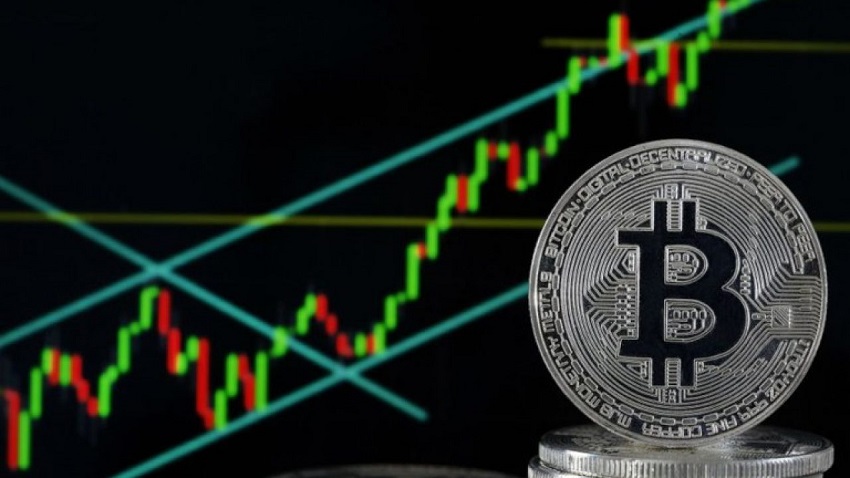
Bitcoin’s price surged from around $1,000 in January 2017 to nearly $20,000 by December 2017.
This was the first time Bitcoin became a global financial headline.
Why Bitcoin Rose So Fast
1. Growing Public Awareness
Millions of people learned about cryptocurrencies for the first time.
2. Fear of Missing Out (FOMO)
Investors rushed into Bitcoin hoping to make quick profits.
3. Blockchain Technology Popularity
Blockchain became one of the hottest technology trends worldwide.
4. Institutional Curiosity
Large financial institutions started studying cryptocurrencies seriously.
Bitcoin Crash and Market Correction (2018)
After the massive rally, Bitcoin experienced a huge correction in 2018.
The price dropped nearly 80%, causing panic among new investors.
Many people believed Bitcoin was finished. However, long-term believers continued supporting the ecosystem.
This phase taught investors an important lesson:
Bitcoin is highly volatile but historically resilient.
Institutional Adoption Era (2020–2021)
Bitcoin entered a completely new phase during the COVID-19 pandemic.
Governments worldwide printed massive amounts of money to support economies. This raised concerns about inflation and currency devaluation.
As a result, many institutional investors turned toward Bitcoin as a hedge against inflation.
Major Milestones
1. Corporate Investments
Companies like Tesla and MicroStrategy invested billions into Bitcoin.
2. Payment Integration
PayPal allowed users to buy and sell cryptocurrencies.
3. Bitcoin Reaches New Highs
Bitcoin crossed $60,000 for the first time.
4. El Salvador Adopts Bitcoin
El Salvador became the first country to adopt Bitcoin as legal tender.
This was a historic moment for cryptocurrency adoption.
Bitcoin in 2022–2024: Challenges and Recovery
The crypto industry faced several crises during this period.
Major Challenges
- Crypto exchange collapses
- Regulatory crackdowns
- Rising interest rates
- Global economic uncertainty
Bitcoin’s price fell sharply again, but unlike earlier years, institutional interest remained strong.
Spot Bitcoin ETFs
One of the most important developments was the approval of Spot Bitcoin ETFs in several markets.
This allowed traditional investors to gain Bitcoin exposure through regulated financial products.
The approval significantly increased Bitcoin’s legitimacy in traditional finance.
How Bitcoin Works?
Bitcoin operates on blockchain technology.
Key Features of Bitcoin
1. Decentralization
No central authority controls Bitcoin.
2. Limited Supply
Only 21 million Bitcoins will ever exist.
3. Transparency
All transactions are publicly recorded.
4. Security
Bitcoin uses advanced cryptography and mining systems.
5. Global Accessibility
Anyone with internet access can use Bitcoin.
Bitcoin Halving: The Major Price Catalyst
Bitcoin undergoes an event called halving approximately every four years.
During halving:
- Mining rewards are reduced by 50%
- New Bitcoin supply decreases
- Scarcity increases
Historically, Bitcoin has experienced strong bull markets after halving events.
Major Bitcoin Halving Years
- 2012
- 2016
- 2020
- 2024
Many investors believe halvings are one of the biggest drivers of long-term Bitcoin growth.
Why Investors Consider Bitcoin Valuable?
1. Digital Gold Narrative
Bitcoin is increasingly viewed as digital gold due to its scarcity.
2. Inflation Protection
Some investors use Bitcoin to protect purchasing power.
3. Decentralized Financial System
Bitcoin reduces dependency on traditional banking systems.
4. Growing Institutional Adoption
Large corporations and funds continue entering the market.
5. High Long-Term Returns
Bitcoin has delivered one of the highest returns among modern assets.
Risks of Investing in Bitcoin
Despite its potential, Bitcoin carries risks.
1. Extreme Volatility
Bitcoin prices can rise or fall dramatically.
2. Regulatory Risks
Governments may introduce strict crypto regulations.
3. Security Risks
Hacking and scams remain concerns.
4. Emotional Investing
Fear and greed often influence investor decisions.
5. Market Manipulation
Crypto markets can sometimes be influenced by large holders.
Investors should always conduct proper research before investing.
Future Scope of Bitcoin
The future of Bitcoin remains one of the most discussed topics in finance and technology.
1. Mainstream Financial Integration
Banks and investment firms are increasingly integrating Bitcoin services.
Traditional finance and crypto may become deeply connected in the future.
2. Institutional Expansion
Pension funds, hedge funds, and sovereign wealth funds may continue adding Bitcoin exposure.
This could significantly increase demand.
3. Digital Economy Growth
As digital payments grow globally, decentralized currencies may become more accepted.
4. Inflation and Economic Uncertainty
Economic instability may increase interest in alternative assets like Bitcoin.
5. Technological Advancements
The Bitcoin ecosystem continues evolving with:
- Faster payment layers
- Better scalability
- Improved security solutions
Investment Opportunities in Bitcoin
1. Long-Term Holding (HODLing)
Many investors believe holding Bitcoin for long periods can generate strong returns.
2. Bitcoin ETFs
Investors can now gain Bitcoin exposure through regulated ETFs.
3. Crypto Startups and Blockchain Companies
The Bitcoin ecosystem has created opportunities in:
- Mining
- Wallet development
- Exchanges
- Payment solutions
- Blockchain infrastructure
4. Portfolio Diversification
Some investors use Bitcoin as a small percentage of diversified portfolios.
5. Global Adoption Potential
As adoption grows worldwide, demand may continue increasing over time.
Is Bitcoin the Future of Money?
Bitcoin has already changed how people think about money, finance, and decentralization.
While it may not completely replace traditional currencies, it has established itself as a powerful alternative asset and technological innovation.
Supporters believe Bitcoin could become:
- A global store of value
- Digital gold
- A hedge against inflation
- A decentralized financial network
Critics still question its volatility, scalability, and regulatory future.
However, regardless of opinions, Bitcoin has already secured its place in financial history.
Final Thoughts
Bitcoin’s journey from an anonymous whitepaper to a trillion-dollar asset class is one of the most remarkable stories in financial history.
Over the years, Bitcoin has survived:
- Market crashes
- Government criticism
- Exchange failures
- Media skepticism
Yet it continues growing stronger with increasing global adoption.
For investors, Bitcoin offers both significant opportunities and substantial risks. Success in Bitcoin investing often depends on:
- Patience
- Research
- Risk management
- Long-term thinking
As the digital economy expands, Bitcoin may continue playing a major role in shaping the future of global finance.
Whether viewed as digital gold, a technological revolution, or a speculative asset, Bitcoin has undeniably changed the world forever.

I am Pawan Kashyap currently living in Amritsar. I always try to grab new things from the cryptocurrency market. From my observations and trends in the market, I always try to provide the best and accurate information in the form of articles from this blog. Follow us on Facebook, Instagram, and Twitter to join us.